
- 10
- Vials of one size in a kitSingle vials come one at a time
- 1 product
- One certificate should cover every vial from it
- ~10%
- Average loss in one drying study of five peptides
The short answer
Should a lab get one vial or a kit?
One vial fits a first look. A kit fits a lab that will run the same peptide again and again. The right pick depends on how many separate runs you plan, and on whether you want every run to start from the same material.
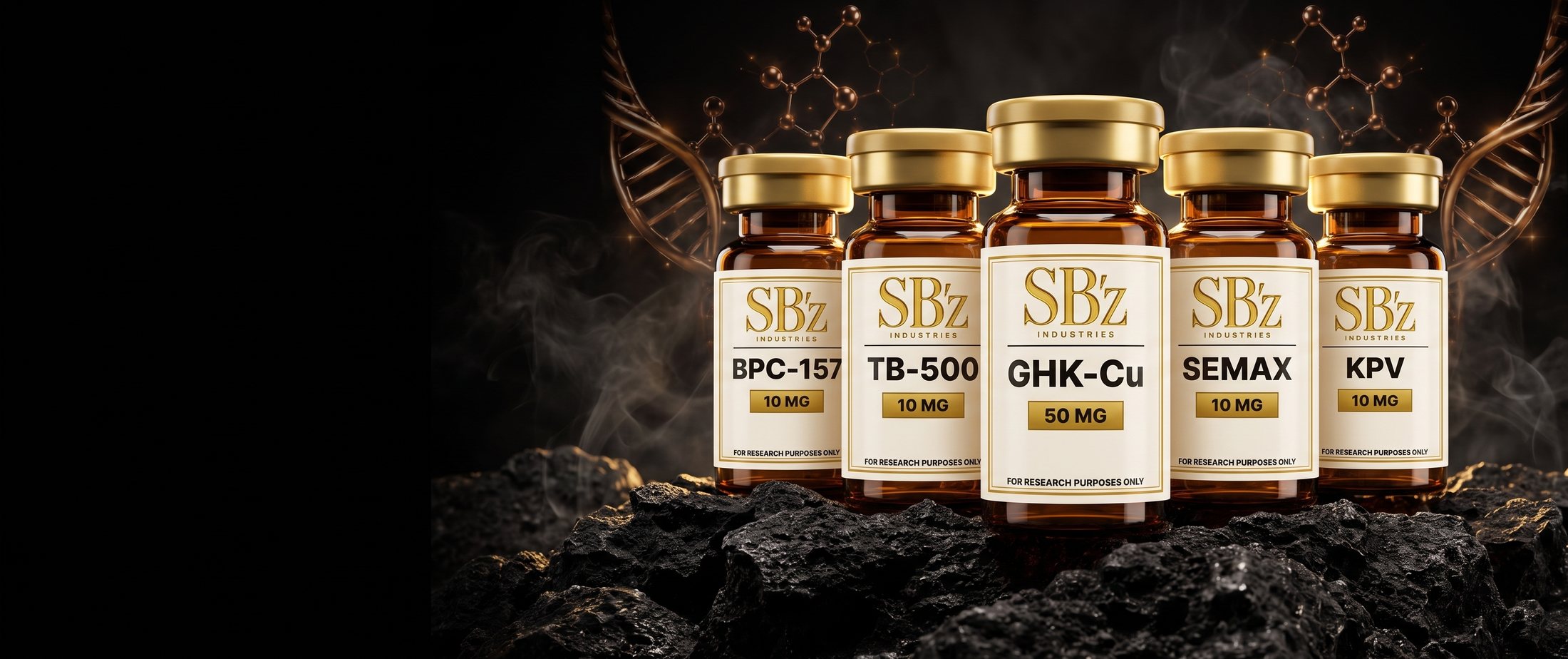
On the site, a kit is ten vials of one size. The catalog lists both. No study we found compared single vials with kits. What studies did look at is how freeze-dried peptides behave, what freezing and thawing does, and what happens on vial walls. This page covers those, then gives you a short list to check.
Sealed powder
Why do separate sealed vials matter?
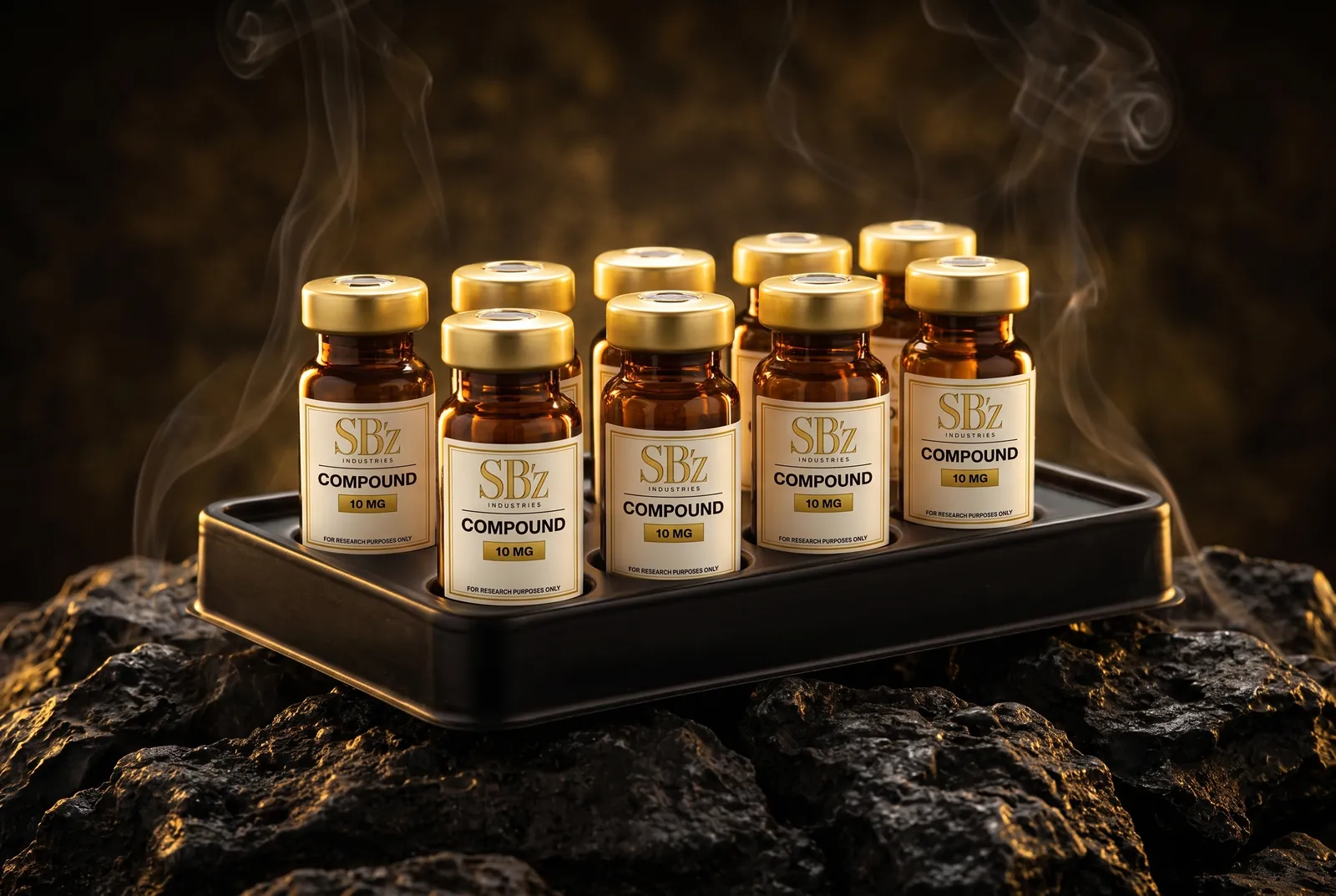
Many research peptides ship as a freeze-dried powder. Freeze-drying (lyophilization) removes the water and leaves a dry cake in a sealed glass vial. Each vial is its own small package, so opening one does not touch the rest. A lab that needs the same material on ten different days can open one vial each time and leave the others closed.
Labs have measured what changes inside a dry cake. In one study, a six-residue model peptide was freeze-dried with different fillers, moisture levels, heat and acidity. The paper reported that the type of filler had the biggest effect on breakdown. Moisture and heat also had a significant effect. The acidity of the starting solution did not [1].
- Heat: how warm the sample was held
- Moisture: how much water stayed in the powder
- Filler: what else was in the cake
- Acidity of the starting solution: no significant effect
Water in the cake
What does water do inside a vial?
A second study used a different six-residue model peptide in a polymer cake. More water and more glycerol meant faster breakdown. In hard, glassy cakes, more water still meant faster breakdown. In soft, rubbery cakes with similar glass transition points, water content did not seem to matter [2].
These were model peptides in model cakes. They say nothing about any one product. They do show why labs treat leftover water as a variable, and why a sealed vial is not opened until it is needed.
Freeze and thaw
What happens when a peptide is frozen and thawed again and again?
Some labs dissolve a vial, split it into parts, and freeze them. Others thaw the same solution more than once. Studies have looked at what repeated freezing does.
One study followed the peptide glucagon in solution through repeated freeze-thaw cycles. It tested two sugars as fillers. The paper reported that lactose held off clumping (aggregation) better than trehalose. It also reported that a higher ratio of sugar to peptide cut the tendency to clump [3]. That was one peptide and two sugars. It was not a test of any catalog product.
The plain point is that freeze-thaw is something labs study, not a free step. A kit gives ten sealed vials, so each run can start from a vial that has never been dissolved.
Vial walls
Does the vial itself matter?
Peptides can stick to the walls of a container. One study tested five model peptides through a drying step in polypropylene and glass vials. Drying cut recovery by about 10 percent on average. The authors found that recovery rose with an added detergent-like additive, and that the best vial type depended on the drying method [4].
A second study used the peptide Cetrorelix at low concentrations. HPLC readings were poor and varied. The team traced this to peptide sticking to the vial, and the readings improved with solvents such as ethanol, acid or a surfactant. Sticking followed a rank order of glass above polypropylene, polyethylene and then PTFE. The glass vials from different suppliers also differed a lot [5].
So a vial is part of the experiment. Using several vials of the same kind, bought together, keeps that part as steady as you can from run to run.
One or ten
How do single vials and kits compare?
The table sets the two side by side. It is a way to think, not a rule.
A single vial has one clear advantage. You hold one vial, one certificate and one thing to track. If the work is a one-time check, that is simple and enough. A kit makes sense when the same question comes back often and you want each answer to start from the same material.
Single vial or kit
| Question | Single vial | Kit of ten |
|---|---|---|
| How many runs? | One or two | Many, over time |
| Same starting vial each run? | Not possible past the first | Ten sealed vials, one per run |
| Paperwork to track | One vial, one certificate | Ten vials, one certificate for the product |
| Best first step | A first look at a new compound | A compound you already know you will repeat |
Before you order
What should you check either way?
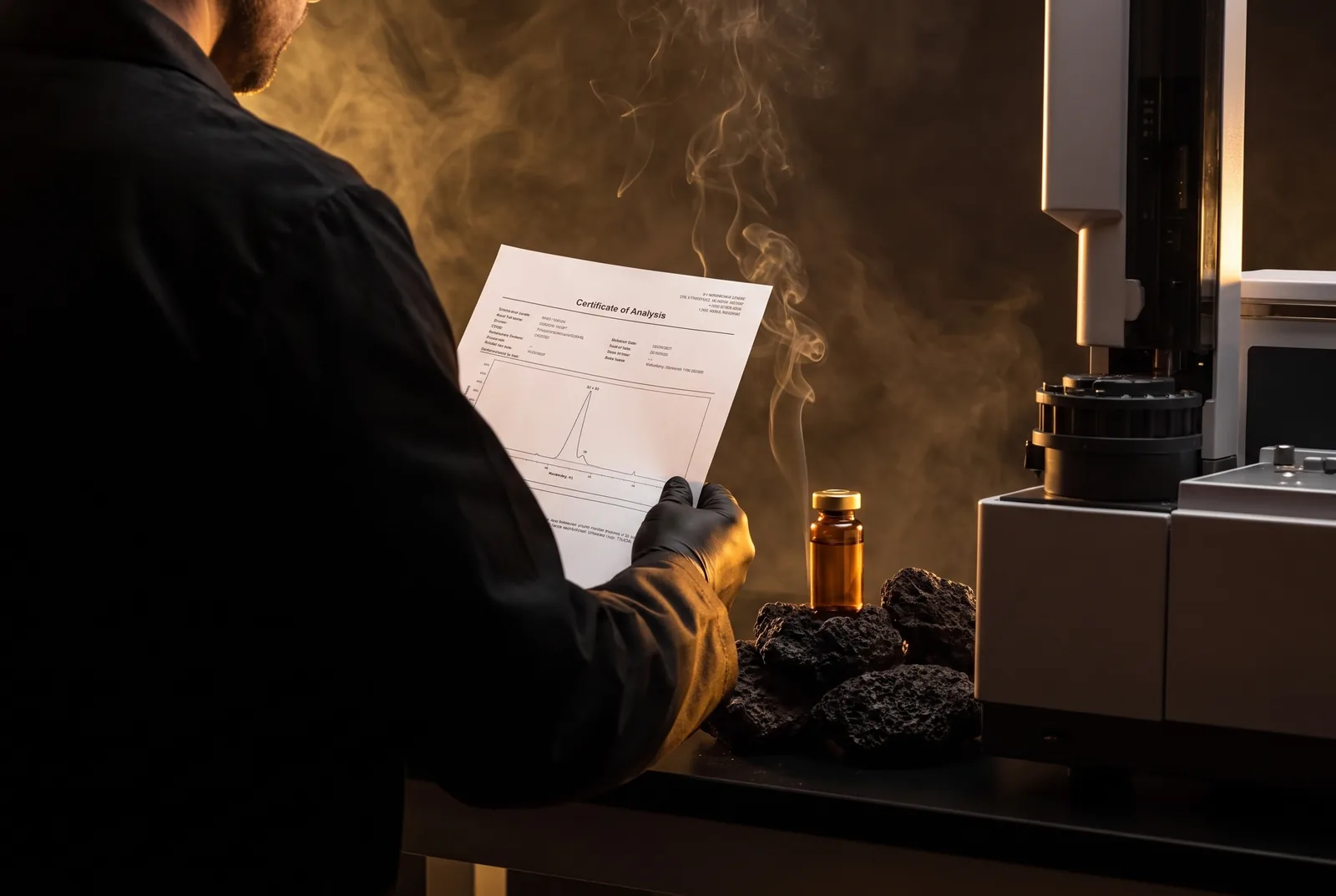
Whichever you pick, three checks matter. First, match the product name on the vial to its certificate. Here is where each product's certificate lives. Second, read the test date and the lab on that certificate. Third, check the seal and the stopper the day the box arrives.
Keep a note of the product, the order date and any number printed on the vial with every run you record. If a result looks odd later, you can trace it back.
For how testing works, read about the quality page. For a wider checklist of what to ask any supplier, see the supplier checklist.
- 01
Match the product
Find the product's certificate and check the name and sequence.
- 02
Read the test date
Note which lab tested it and when.
- 03
Check the seal
Look at the stopper and cap when the box arrives.
Questions
Common questions
How many vials are in a kit?
Ten vials of one size. The catalog lists each size.
Is there a study comparing kits and single vials?
No. We found none. The studies on this page cover freeze-dried powder, freeze-thaw cycles and vial surfaces.
Do all vials in a kit share one certificate?
Check that every vial in the kit is the same product and matches its certificate.