
Research Peptides
Short chains of amino acids, supplied lyophilized. Each is characterised by sequence, molecular formula and mass.
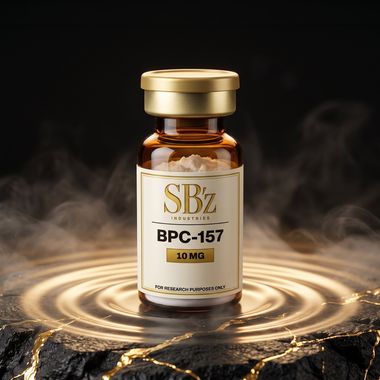
A research peptide is a short chain of amino acids made by solid-phase synthesis and purified by preparative HPLC, then freeze-dried. What arrives in the vial is that lyophilized powder, characterised by its sequence, its molecular formula and its mass, and nothing here describes what any of it does.
An independent lab tests every compound in this class before it goes on sale. The lab confirms it is the right compound and measures purity by HPLC. Each compound is tested by an independent lab, and the latest certificate is on its product page, so you can check the results before you order.
Compounds are grouped by what they are, not by what anyone plans to do with them. Sizes are milligrams of powder in the vial. Where the certificate reports net peptide content, the reconstitution calculator works out the peptide mass for you.
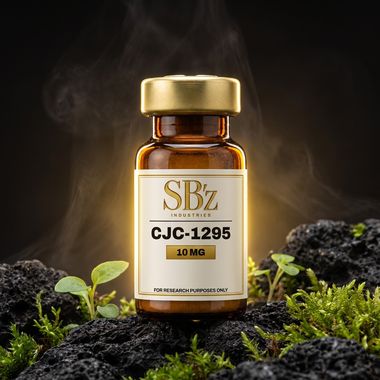
CJC-1295
Synthetic GHRH analog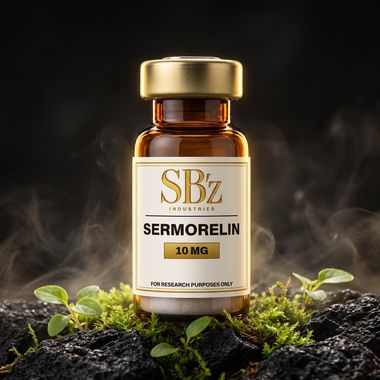
Sermorelin
Synthetic GHRH(1-29) analog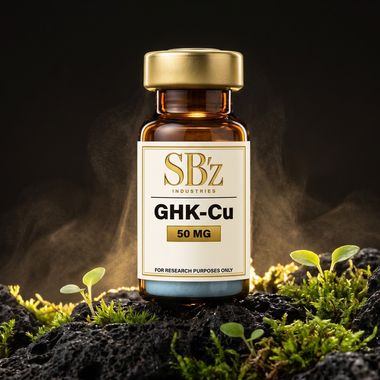
GHK-Cu
Copper-binding tripeptide complex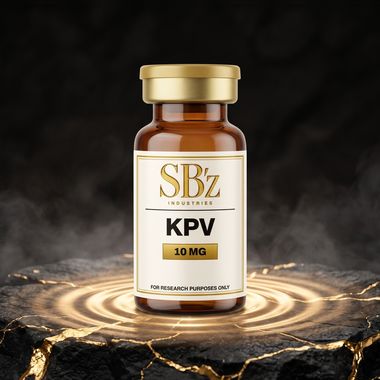
KPV
Synthetic tripeptide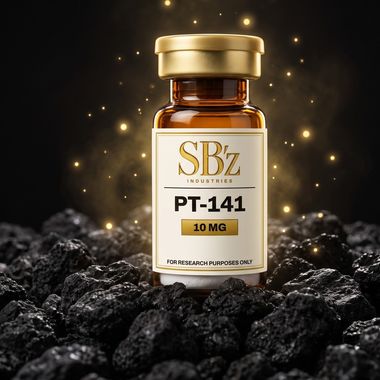
PT-141
Synthetic cyclic heptapeptide melanocortin analog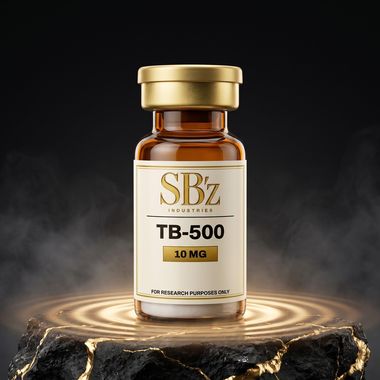
TB-500
Synthetic thymosin beta-4 fragment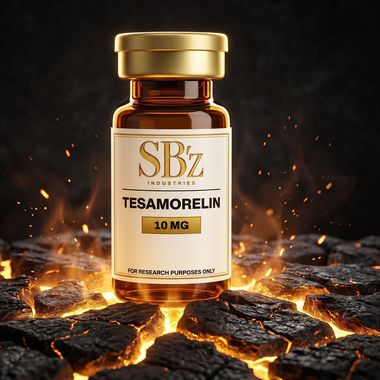
Tesamorelin
Synthetic GHRH analog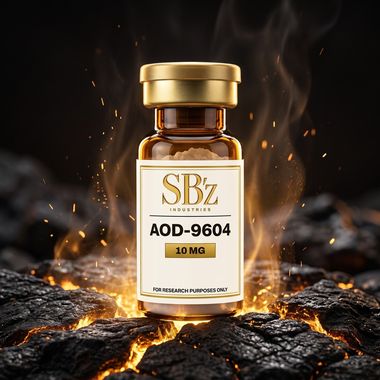
AOD-9604
Synthetic hGH fragment analog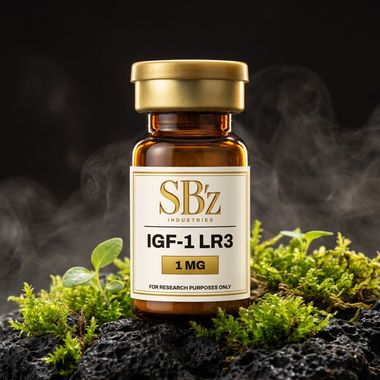
IGF-1 LR3
Recombinant IGF-1 analog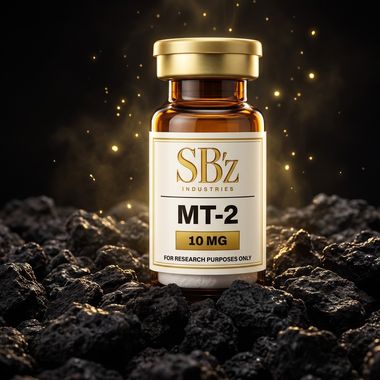
MT-2
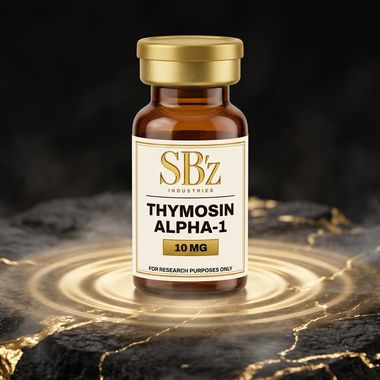
Thymosin Alpha-1
Synthetic thymic peptide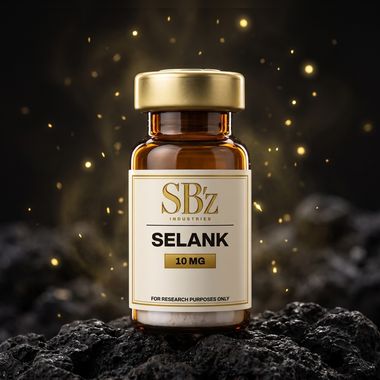
Selank
Synthetic tuftsin analog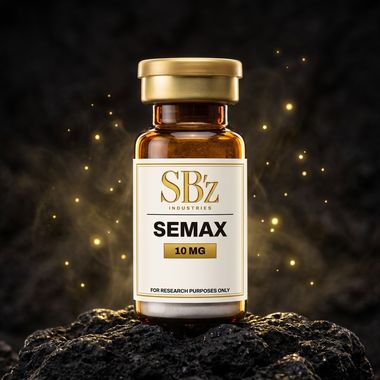
Semax
Synthetic ACTH(4-7) analog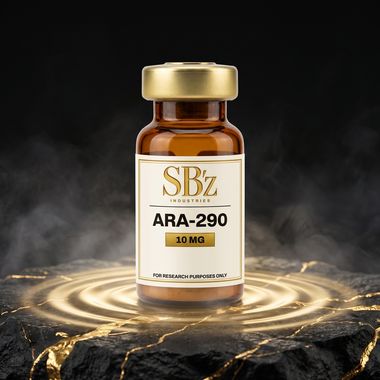
ARA-290
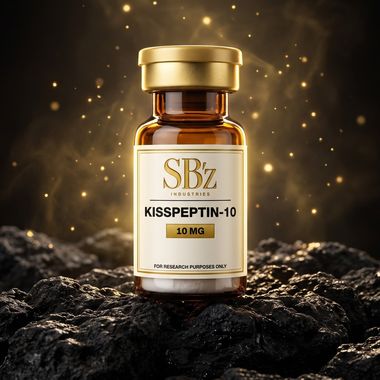
Kisspeptin-10
Synthetic decapeptide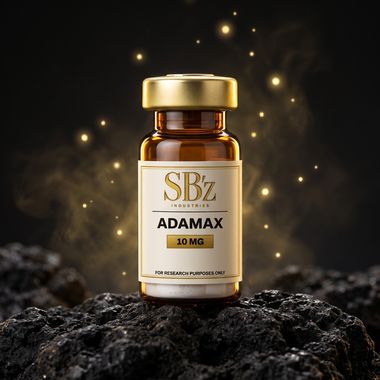
Adamax
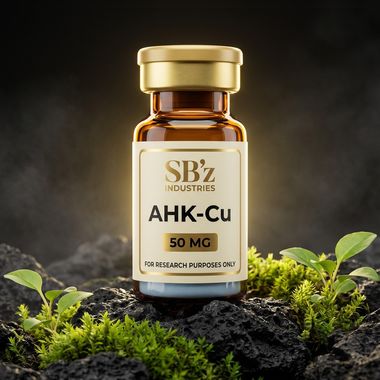
AHK-Cu
Common questions about research peptides
What does the milligram figure on a vial mean?
The weight of freeze-dried powder in the vial. Powder is peptide plus salts and water, so where the certificate reports net peptide content the peptide mass is the label figure multiplied by that percentage. A vial labelled 10 mg at 80 percent net peptide content holds about 8 mg of peptide.
How is purity measured?
By HPLC at 214 nm, reported as the share of the sample that is the compound. It describes the peptide part of the powder, not the whole powder, and it does not confirm identity on its own; that is a separate result against a reference standard.
Why are compounds grouped by what they are rather than what they are for?
Because grouping by use is a statement of intended use, and this site does not make one. Origin, length and what a compound binds are facts about the molecule that anyone can check.
Can I see the certificate before I order?
Yes. The latest certificate for every compound is on its product page and in the certificate archive. Read it before you order.
What each one is
What is BPC-157?In plain English, with the research.What is CJC-1295?In plain English, with the research.What is Sermorelin?In plain English, with the research.What is GHK-Cu?In plain English, with the research.What is KPV?In plain English, with the research.What is PT-141?In plain English, with the research.What is TB-500?In plain English, with the research.What is Tesamorelin?In plain English, with the research.What is AOD-9604?In plain English, with the research.What is IGF-1 LR3?In plain English, with the research.What is MT-2?In plain English, with the research.What is Thymosin Alpha-1?In plain English, with the research.What is Selank?In plain English, with the research.What is Semax?In plain English, with the research.What is ARA-290?In plain English, with the research.What is Kisspeptin-10?In plain English, with the research.What is Adamax?In plain English, with the research.What is AHK-Cu?In plain English, with the research.
Guides for this class
How to read a certificate of analysisThe fields worth checking before an order.Reconstitution and handlingDiluent down the glass, never onto the cake.Bacteriostatic waterShelf life, volumes and what the preservative does.Storage, stability and degradationWhat each condition buys, in weeks and months.Adamax vs ARA-290Side by side.ARA-290 vs BPC-157Side by side.BPC-157 vs Kisspeptin-10Side by side.Kisspeptin-10 vs KPVSide by side.