Online ordering is open. Ships in 1 to 2 business days. Tracked 2-day shipping, plain box. Every compound third-party tested

For laboratory and research use only. Not for human or veterinary use.

GLP-1 peptides:
the family, explained

Lab-made copies of the hormones the gut and pancreas release around meals. Here is which hormone each one copies, who made it, and what the published research looked at.

4hormones copied
4compounds in the catalog
2companies behind them

The short answer

Copies of the hormones released around meals

After a meal, the gut releases a few hormones within minutes. Two of them are GLP-1 and GIP, and together they are called incretins [1]. The pancreas adds its own, including glucagon and amylin.

"GLP-1 peptides" is the loose name for lab-made copies of these hormones. Some copy one hormone, some combine two or three in a single molecule, and a close cousin group copies amylin instead. They get sold and studied as one family because researchers so often compare them with each other.

The natural hormones only last minutes before the body breaks them down. The lab-made versions are built to last much longer, usually with a fatty acid chain attached. That trick was worked out on semaglutide, the best-known member of the family [4].

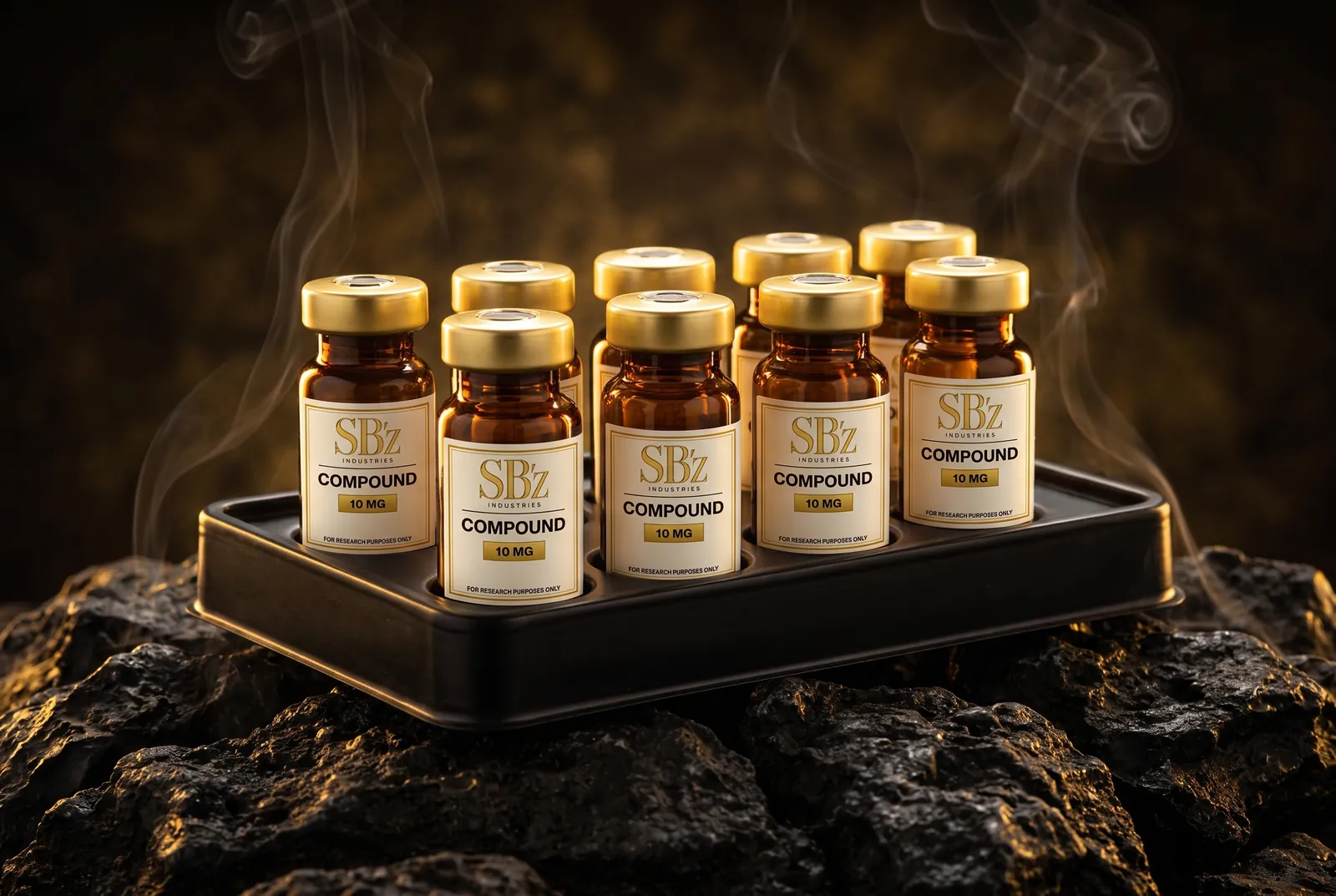
A tray of labelled research vials.

The hormones

Four hormones, and what copies each one

HormoneFull nameMade inWhenCopied by
GLP-1Glucagon-like peptide-1The gutWithin minutes of eatingTirzepatide, retatrutide
GIPGlucose-dependent insulinotropic polypeptideThe gutWithin minutes of eatingTirzepatide, retatrutide
GlucagonGlucagonThe pancreasBetween meals, working mainly on the liverRetatrutide
AmylinAmylinThe pancreas, the same cells that make insulinAlongside insulinCagrilintide, eloralintide

GLP-1 was found in an unexpected place: genes from the pancreas of the anglerfish, which turned out to code for glucagon and two glucagon-like pieces next to it [2]. That is where the name comes from. Amylin is covered in detail in a 2015 review [3].

The compounds

The four in our catalog

What each one is, who made it, and what the published research was done in. Every study links to PubMed.

Tirzepatide

GLP-1 + GIP

Developed by Eli Lilly · from $45 here

What it is

A lab-made peptide that switches on two receptors, GLP-1 and GIP. It carries a fatty acid chain so it stays in circulation longer. The development code was LY3298176.

What has been studied

Described by Eli Lilly scientists in 2018, tested in cells, then mice, then a first study in people [5]. It is now the active ingredient in approved prescription medicines.

Retatrutide

GLP-1 + GIP + glucagon

Developed by Eli Lilly · from $45 here

What it is

The same idea taken one receptor further: GLP-1, GIP and glucagon. That makes it a triple agonist. The development code was LY3437943.

What has been studied

Described in 2022. In cells it switched on the glucagon and GLP-1 receptors about equally and the GIP receptor more strongly [6]. Still in clinical development. There is a full comparison with tirzepatide.

Cagrilintide

Amylin

Developed by Novo Nordisk · from $50 here

What it is

A lab-made version of amylin, the pancreas hormone. Natural amylin tends to clump into fibres, which makes it hard to turn into a stable compound. Cagrilintide was built with a fatty acid chain to be stable and long-lasting.

What has been studied

Novo Nordisk chemists described how they got there in 2021 [7]. A 2025 Monash University study pictured it sitting in its receptors [8], and a 2026 University of Copenhagen study mapped more than 530,000 brainstem cells in rats, mice and macaques to see which ones respond to it [9].

Eloralintide

Amylin

Developed by Eli Lilly · from $65 here

What it is

Eli Lilly's lab-made amylin, development code LY3841136. It favours one amylin receptor subtype over its close relatives.

What has been studied

In cells it preferred the amylin 1 receptor over the calcitonin receptor and the amylin 3 receptor. The team then worked in rats and monkeys and ran a first study in healthy volunteers [10]. One of the rat experiments compared it directly with cagrilintide.

Reading the research

Three things to check

Which hormone. "GLP-1" gets used for the whole family. A paper on an amylin compound is not a paper on a GLP-1 compound, even when a seller lists them side by side.

Who ran it. Most of the early work on each compound comes from the company that makes it. That is normal for a new molecule and worth knowing as you read.

What it was done in. Cells in a dish, rats, monkeys and people are very different amounts of evidence. The sources below say which, for every study on this page.

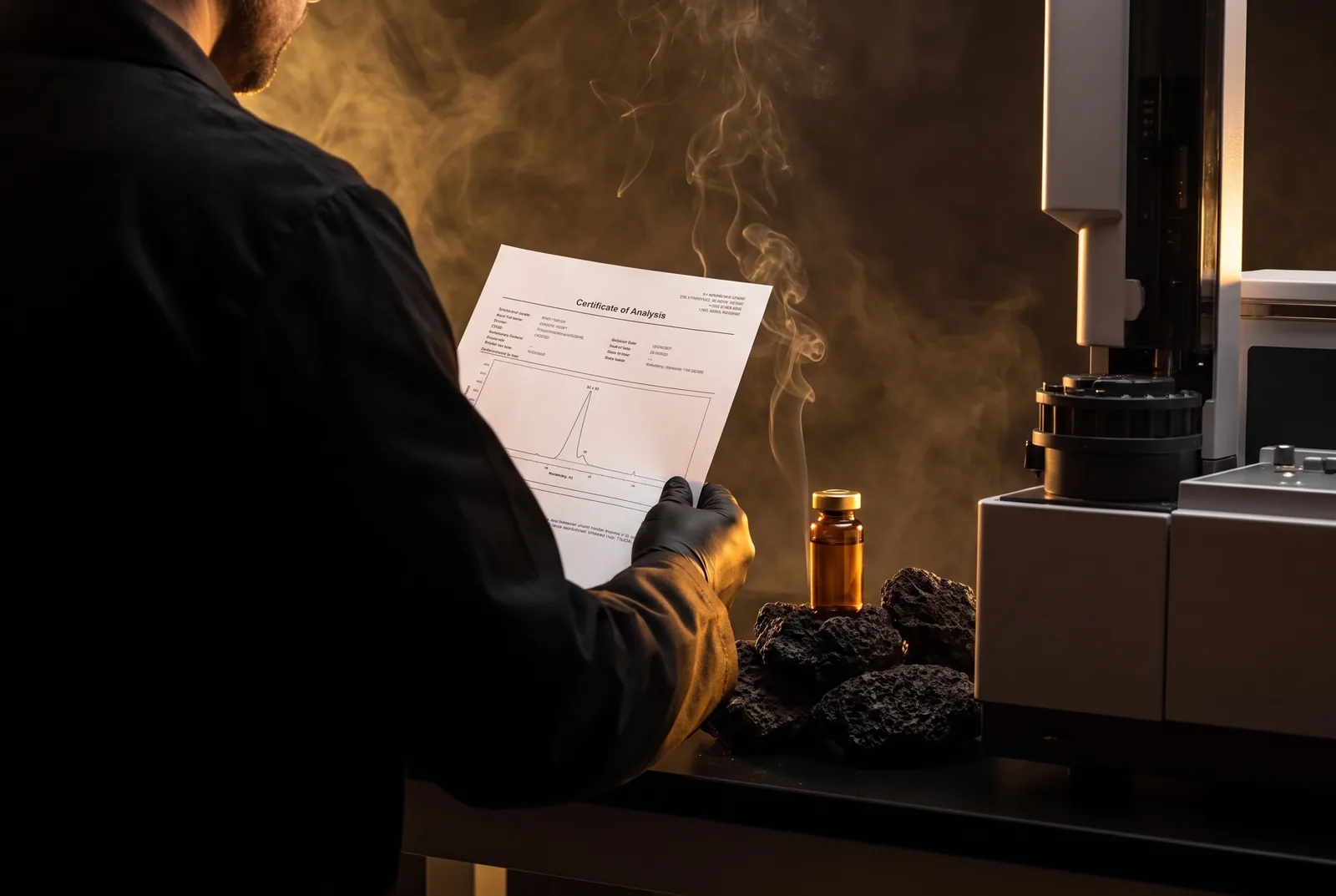
A person reading a printed laboratory report.

For the lab

Handling

All four ship as freeze-dried powder, tested by an independent lab, with the certificate status on each product page. Store the powder in the freezer at minus 20 C away from light; once mixed, keep it in the fridge at 2 to 8 C. The guides on reconstitution, bacteriostatic water and storage cover the rest. The full group is in the GLP-1 research peptides category.

Questions

Common questions

What does GLP-1 stand for?

Glucagon-like peptide-1. It is a hormone the gut releases within minutes of eating. It got the name because it was found sitting next to glucagon in the same gene.

What are GLP-1 peptides?

A loose name for lab-made copies of the hormones the gut and pancreas release around meals. Some copy GLP-1 alone, some combine GLP-1 with GIP or glucagon, and a related group copies amylin. Sellers group them together because researchers study them together.

Is tirzepatide a GLP-1?

Partly. It switches on the GLP-1 receptor and the GIP receptor, so it is usually called a dual GIP and GLP-1 agonist.

Is cagrilintide a GLP-1?

No. Cagrilintide copies amylin, a different hormone from the pancreas. It sits in the same catalog group because amylin and GLP-1 compounds are often studied side by side.

What is the difference between a GLP-1 compound and an amylin compound?

They copy different hormones that act on different receptors. GLP-1 comes from the gut. Amylin comes from the pancreas, from the same cells that make insulin.

Why do lab-made versions last longer than the natural hormones?

The natural hormones are broken down quickly. Several of the lab-made versions carry a fatty acid chain that lets them ride along on albumin, a common blood protein, which keeps them around far longer.

Are these the same as prescription medicines?

No. Some compounds in this family are the active ingredients in approved prescription medicines, which are made and released under their own licences. What is sold here is research material for laboratory use only, not for human or veterinary use.

Sources

Every study mentioned on this page

Each one links to its record on PubMed, the US National Library of Medicine database. Checked on 29 September 2026.

  1. Biology of incretins: GLP-1 and GIPBaggio and Drucker, University of Toronto. Gastroenterology, 2007. A review of how the two gut hormones are made, released and act.
  2. The discovery of glucagon-like peptide 1Lund, University of North Carolina at Chapel Hill. Regulatory Peptides, 2005. A history of how GLP-1 was found, starting with genes from the anglerfish pancreas.
  3. Amylin: Pharmacology, Physiology, and Clinical PotentialHay and colleagues, University of Auckland and University of Zurich. Pharmacological Reviews, 2015. A review of amylin, the pancreas hormone behind cagrilintide and eloralintide.
  4. Discovery of the Once-Weekly Glucagon-Like Peptide-1 (GLP-1) Analogue SemaglutideLau and colleagues, Novo Nordisk. Journal of Medicinal Chemistry, 2015. How a fatty acid chain was used to make a GLP-1 copy last far longer than the natural hormone. Tested in cells and animals.
  5. LY3298176, a novel dual GIP and GLP-1 receptor agonist for the treatment of type 2 diabetes mellitus: From discovery to clinical proof of conceptCoskun and colleagues, Eli Lilly and Company. Molecular Metabolism, 2018. The tirzepatide discovery paper: cells, then mice, then a first study in people.
  6. LY3437943, a novel triple glucagon, GIP, and GLP-1 receptor agonist for glycemic control and weight loss: From discovery to clinical proof of conceptCoskun and colleagues, Eli Lilly and Company. Cell Metabolism, 2022. The retatrutide discovery paper: cells, then mice, then a first small study in people.
  7. Development of Cagrilintide, a Long-Acting Amylin AnalogueKruse and colleagues, Novo Nordisk. Journal of Medicinal Chemistry, 2021. The chemistry behind cagrilintide, including why amylin is hard to work with.
  8. Structural and dynamic features of cagrilintide binding to calcitonin and amylin receptorsCao and colleagues, Monash University. Nature Communications, 2025. Structure work: cryo-electron microscope pictures of cagrilintide sitting in its receptors.
  9. A cross-species atlas of the dorsal vagal complex reveals neural mediators of the effects of cagrilintide on energy balanceLudwig and colleagues, University of Copenhagen. Nature Metabolism, 2026. A map of more than 530,000 brainstem cells from rats, mice and macaques.
  10. Eloralintide (LY3841136), a novel amylin receptor agonist for the treatment of obesity: From discovery to clinical proof of conceptBriere and colleagues, Eli Lilly and Company. Molecular Metabolism, 2025. The eloralintide discovery paper: cells, then rats and monkeys, then a first study in healthy volunteers.

In the catalog

GLP-1 research peptides

For laboratory research use only. Every vial ships in a plain box with a packing slip.

Fast dispatchShips in 1 to 2 business days
Plain packagingNo exterior branding
Tracked shippingTwo business days, flat rate
Third-party testedCertificate on every product page